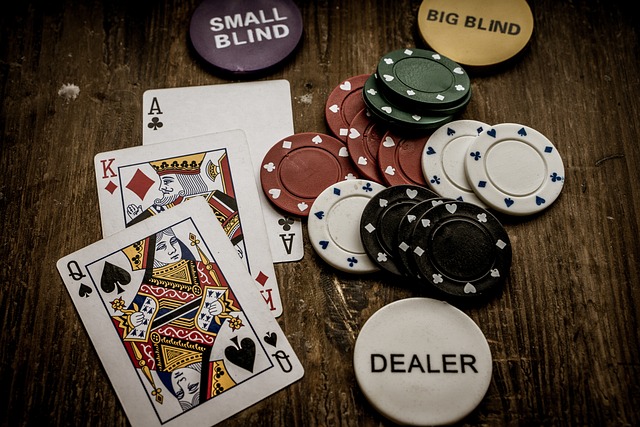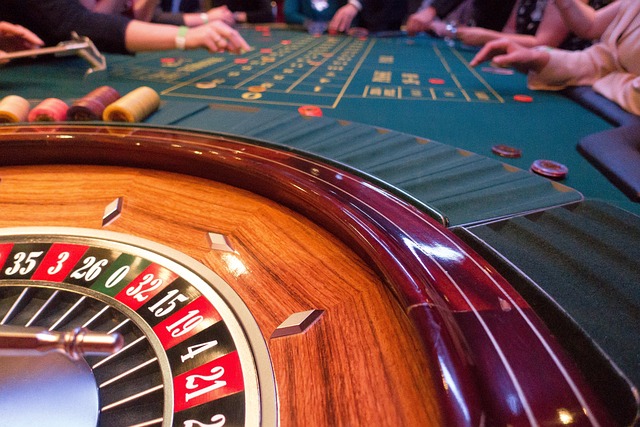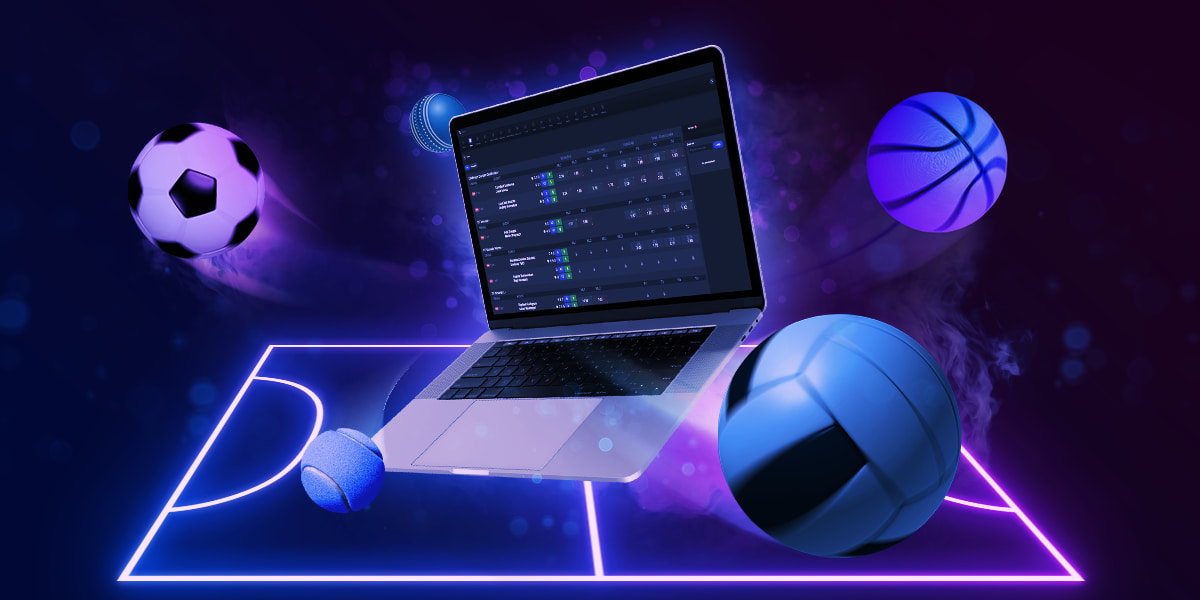
Picture a smoky casino of the future. No roulette table. No slot machine sounds. Instead, rows of silent servers blinking like poker faces. The twist? Most of the “players” placing bets aren’t real. They’re synthetic personalities built from scraps of digital patterns — ghost gamblers born out of algorithms. And right now, tech industries are quietly asking: if AI can generate fake bettors, is there money to be made from them?
Welcome to the eerie world of phantom wagering, where AI doesn’t just predict human behavior, it creates humans to predict.
Enter the Deepfake Bettor
Unlike a normal gambling app that profiles you after a few cheeky parlays, phantom betting systems build data-rich models of people who don’t exist. Think of them as fictional bettors with detailed lives: they prefer underdog football teams, cry when their cricket odds collapse, and only play slots after midnight like a heartbroken raccoon.
These ghost-users are created using synthetic data — a blend of real patterns and artificial predictions. They behave like gamblers. They churn money like gamblers. But they never need to sleep, eat, or worry about rent. They’re the ideal customers. Casinos don’t have to send them bonus codes, loyalty rewards, or polite “please verify your account” emails. They strategically lose just enough for the system to learn, and suddenly AI knows exactly how humans will lose too.
The Betting House of Mirrors
As AI studies phantom players, it starts setting odds and predicting outcomes based on people who don’t exist. Imagine a bookmaker shaped by hallucinations. Now your betting app thinks you’re the type who always overtrusts draw results in Premier League matches — because the ghost version of you does.
The danger? The system no longer understands real human logic. It only knows ghost logic. And since these ghost personas are built to be “perfect data subjects,” the machine begins shaping real bettors around fake behaviors. Betting algorithms end up like fashion trends: one day we’re betting cautiously because synthetic “players” taught the house to tighten the lines, and suddenly we’re all playing like nervous accountants.
(Insert Phantom Whisper Here…)
Just as you begin scrolling thinking, “This is too weird to be real,” imagine one betting platform adjusting its system based on millions of synthetic bettors… while you still struggle to remember your password.
Speaking of platforms grounded in real players, some betting sites, like 22Bet, still base their offers on actual human behavior rather than ghost gamblers.
22Bet bonuses, promotions, and odds are built for real, breathing players, not AI-made avatars who never miss a penalty prediction.
The Moral Jackpot Nobody Asked For
If synthetic bettors shape the odds we face, then humans are no longer gambling against chance — we’re gambling against prediction models derived from ghost data. It becomes an invisible rig, where people are nudged into patterns generated by fictional players.
Ethicists are worried. Should bookmakers disclose if they use phantom gamblers to train their systems? Should governments regulate fake personas the same way they’d regulate real customers? And the biggest question: if nobody actually places a bet, but the algorithm earns profit from ghost data, who owns that money? Does it belong to the company? The engineers? Or the ghosts?
At some point, we’ll have lawsuits like:
“My invisible gambler was exploited by an algorithm without consent.”
When the Ghost Wins
Here’s the funniest twist: synthetic bettors might one day beat the house. If they’re smart enough to model real human irrationality, they might also discover loopholes — ways to consistently hack odds. Then casinos would have to defend themselves against fictional masterminds. Imagine cybersecurity alerts reading: “Warning: Nonexistent gambler has found an unbeatable tennis model.”
A haunting idea: maybe the future betting champion… will never exist.
Ghost or not, the gamble remains the same. In the race between human instinct, machine logic, and digital phantoms, one truth stands: betting has always been a game of illusion. We just didn’t expect the players to be imaginary too.
Ready to place a bet? Better check if your opponent has a pulse.