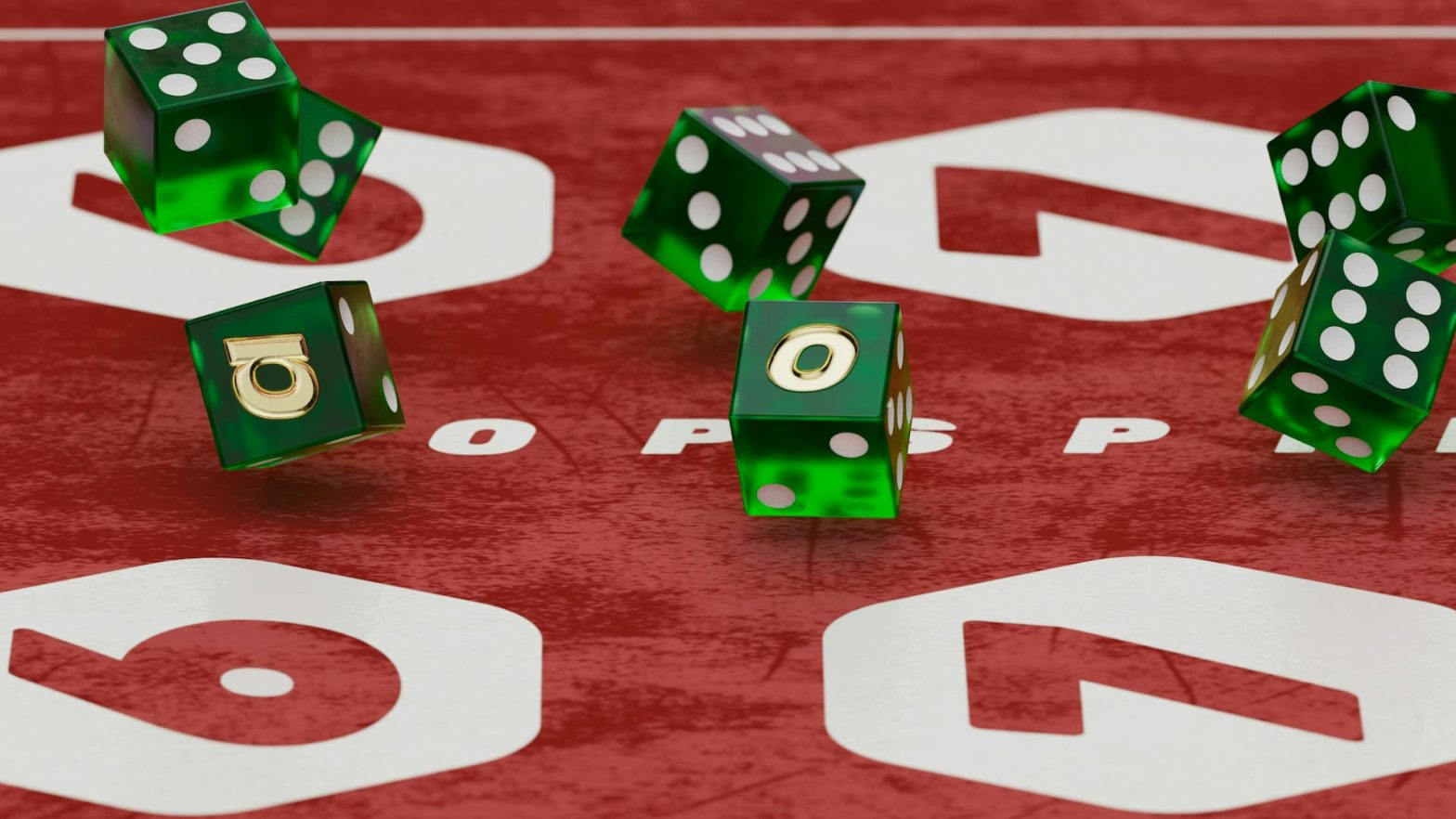
Gamblers on 22Bet talk about luck, streaks, instincts, and superstition. But beneath those beliefs sits a deeper force: the near-miss. When a bet almost hits — when a goal is inches wide, when one leg of a parlay fails, when the jackpot stops one symbol too soon — the brain reacts powerfully and irrationally. The “almost win” pushes bettors to continue even when logic says to stop.
When Losing Feels Like Winning
A near-miss is technically a loss. But the brain doesn’t treat it that way. A narrow defeat fires the reward system almost as strongly as a real win. It creates excitement, not disappointment. That excitement carries a dangerous message: you’re close — do it again.
The Brain Loves Progress, Not Results
Humans evolved to chase progress. A hunter who almost catches prey doesn’t give up — they try harder. Betting activates the same instinct. A near-win feels like progress, even though there is no progress at all. The mind mistakes randomness for improvement.
Why the Near-Miss Hurts — and Hooks
The emotional pain of being close intensifies the desire to continue. The mind hates unfinished stories. A bettor doesn’t want to walk away at almost. They want closure. That need for completion becomes stronger than the desire to make smart decisions.
Near-Misses in Sports Betting
Near-misses are even more dramatic in sports:
• last-second shots
• penalty heartbreak
• one missed leg in a parlay
• disallowed goals
• late collapse after leading
These moments create deep emotional hooks. The bettor thinks they “read the game right,” even though the outcome was still wrong.
False Skill Signals
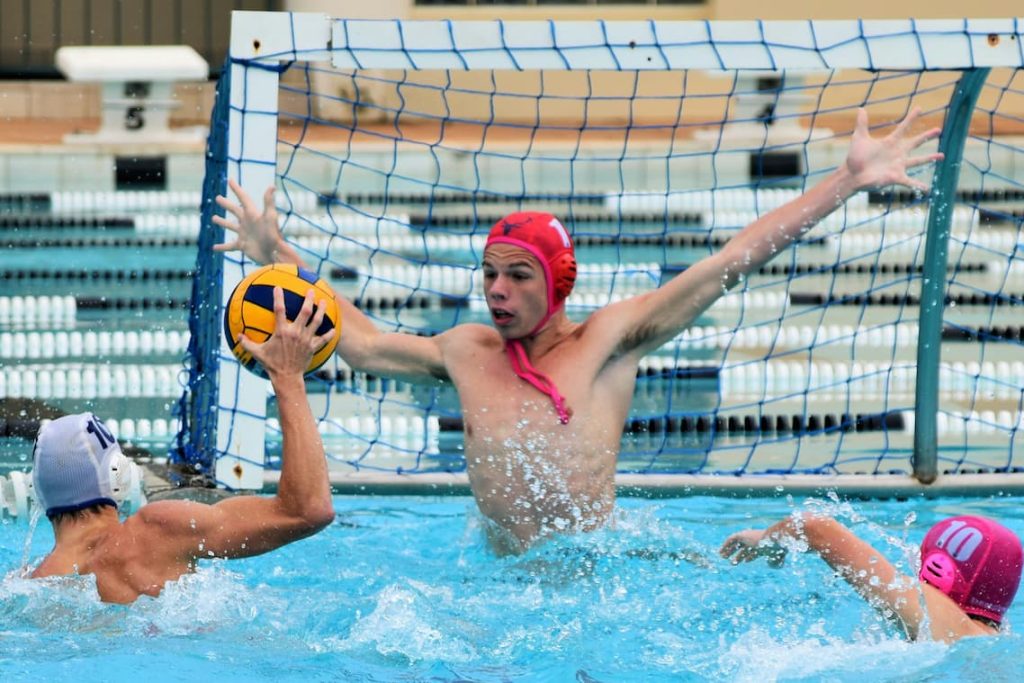
Near-misses make bettors think they are improving. They feel smarter, sharper, and more knowledgeable — not because they are winning, but because the losses feel smaller. The illusion of skill replaces actual results. In reality, nothing has changed except emotion.
The Parlay Trap
Parlays amplify the near-miss effect. A bettor hits 4 out of 5 legs and celebrates as if they won. They replay the highs in their mind and ignore the fact that the payout was zero. The memory of four successes overpowers the reality of total loss. The brain sees success rate, not outcome.
Why Near-Misses Trigger Aggression
A bettor who almost wins becomes impatient. They raise the stakes. They refuse breaks. They make rash decisions. The thrill of being close becomes fuel for recklessness. The high of the near-win makes the next loss more painful — and yet more motivating.
The Social Side of the Almost Win
Near-misses often become stories. A gambler tells friends how close they came. These stories reinforce the illusion of progress. People rarely brag about bad bets, but they love retelling the ones that almost hit. Near-misses become identity instead of warnings.
Breaking the Spell Requires a Mental Shift
A near-miss is not evidence of improvement. It is not a sign of being “due.” It does not increase the chances of future success. It is still a loss — nothing more. Seeing it clearly is the first step to control.
Payout vs. Experience
Gamblers usually think they chase money. But the near-miss reveals the truth: they chase emotional intensity. The brain enjoys the anticipation more than the reward. That feeling becomes addictive. The almost win becomes fuel for continued play.